
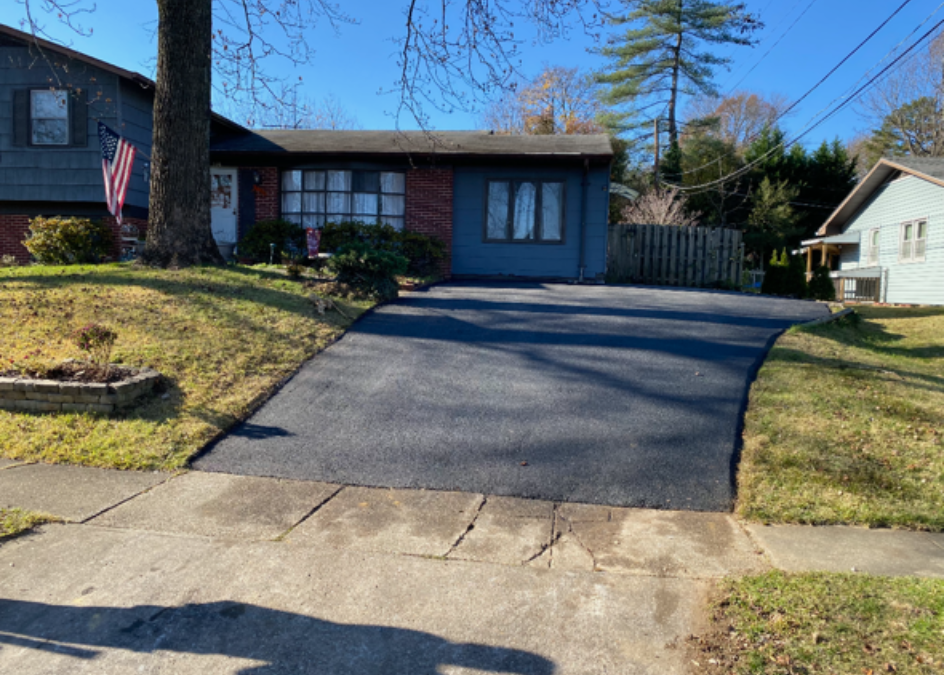
Your driveway or parking lot is one of the first things people notice about your property. Whether you’re a homeowner or a business owner, well-maintained asphalt not only boosts curb appeal but also ensures safety and long-term durability. However, like any surface exposed to weather and daily wear, asphalt doesn’t last forever without proper care.
At South State Paving, maintaining and restoring asphalt surfaces is a core part of delivering long-lasting results. With decades of experience and a strong focus on craftsmanship and customer satisfaction, their team understands exactly what to look for when pavement begins to fail.
In this blog, we’ll break down the most common warning signs your asphalt needs repair—and what steps you should take before minor issues turn into major expenses.
1. Cracks Are Starting to Form
Small cracks may not seem like a big deal at first, but they’re often the earliest sign of trouble. Over time, water seeps into these cracks, weakening the foundation beneath the asphalt. As temperatures fluctuate, the cracks expand and worsen.
Left untreated, these cracks can lead to potholes and structural damage. Regular crack filling is one of the most cost-effective ways to extend the life of your pavement.
2. Potholes Are Appearing
Potholes are more than just an eyesore—they’re a safety hazard. They form when water penetrates the asphalt, freezes, expands, and breaks apart the surface.
If you’re noticing potholes in your driveway or parking lot, it’s a clear sign that repairs are overdue. Prompt patching or resurfacing can prevent further deterioration and protect vehicles from damage.
3. Fading and Discoloration
A rich, dark black finish is a sign of healthy asphalt. When your pavement begins to look gray or faded, it means the protective oils in the asphalt are breaking down due to UV exposure and weather conditions.
Sealcoating is an effective solution here. It restores the appearance of your asphalt while protecting it from sun damage, moisture, and chemicals—helping prevent costly repairs down the line.
4. Drainage Issues and Standing Water
If you notice puddles forming after rain, your pavement may have drainage problems. Poor drainage can weaken the base layer of your asphalt, leading to cracks, potholes, and eventual failure.
Professional paving contractors can assess the grading of your surface and correct drainage issues to ensure water flows away properly.
5. Uneven or Sunken Areas
Over time, sections of asphalt can begin to sink or become uneven. This is often caused by a compromised foundation or heavy traffic loads.
Uneven pavement not only looks unprofessional but can also create tripping hazards. Addressing these issues early with proper repair or resurfacing can prevent the need for full replacement.
6. Loose Gravel and Surface Breakdown
If you’re seeing loose stones or rough patches on your asphalt, it’s a sign that the binder holding the surface together is deteriorating.
This type of damage typically occurs due to age, weather exposure, and lack of maintenance. A professional repair or overlay can restore the integrity of the surface and improve its durability.
7. Your Asphalt Is Over 15–20 Years Old
Even with proper maintenance, asphalt has a lifespan. Most surfaces last around 15–20 years depending on usage and environmental conditions.
If your driveway or parking lot is reaching this age, it may be time to consider resurfacing or replacement. Regular maintenance like sealcoating and repairs can extend its life, but eventually, a more comprehensive solution will be needed.
What Should You Do Next?
If you’ve noticed any of these warning signs, taking action sooner rather than later can save you time and money. Asphalt issues tend to worsen quickly, especially when exposed to water and temperature changes.
A professional paving company can evaluate your surface and recommend the best solution—whether that’s crack filling, sealcoating, repairs, or a full replacement. South State Paving offers a full range of services including residential paving, commercial paving, sealcoating, and ongoing maintenance to keep your pavement in top condition.
Why Preventative Maintenance Matters
Many property owners wait until the damage becomes severe before addressing asphalt issues. However, preventative maintenance is the key to maximizing the lifespan of your pavement.
Simple services like sealcoating and minor repairs can:
- Protect against weather and UV damage
- Prevent water from penetrating the surface
- Improve appearance and curb appeal
- Reduce long-term repair costs
Investing in maintenance today can help you avoid expensive replacements in the future.
Final Thoughts
Your asphalt is a valuable investment—and like any investment, it requires proper care. By recognizing the early signs of damage and taking proactive steps, you can extend the life of your driveway or parking lot while maintaining a safe and attractive surface.
If you’re unsure about the condition of your asphalt, it’s always best to have it inspected by professionals who understand the materials, environment, and best repair methods.
A smooth, durable surface doesn’t happen by chance—it’s the result of expert installation, regular maintenance, and timely repairs.