
Private Roads and Shared Driveways in Maryland: Who Pays?
Southern Maryland is full of private lanes and shared drives. Who owes what usually comes down to the recorded easement or a road maintenance agreement, not to who uses it most.
Private lanes are normal here
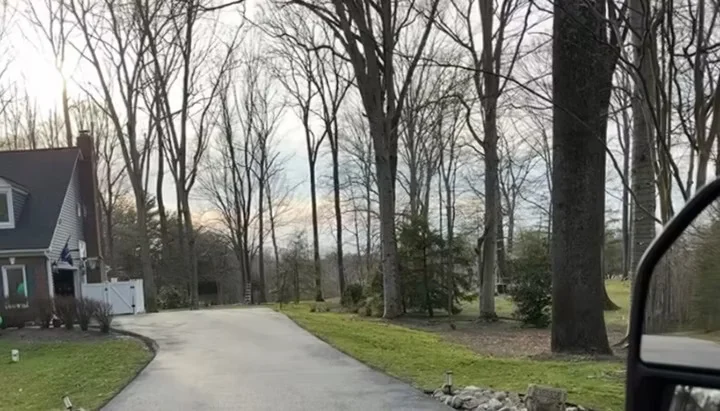
Drive through South County, through the waterfront communities off Route 256 and Route 258, or through rural Calvert, and you pass private road after private road. Some serve two houses. Some serve twenty. A lot of them were cut decades ago when a family divided land, and the paperwork behind them ranges from a carefully drafted agreement to a single sentence in a deed from 1961. If you own on one, the surface is your problem and your neighbors', and the county is not coming to fix it. That surprises people, usually at the worst possible time.
Where the obligation actually comes from
In Maryland, who pays to maintain a private road generally comes from the documents, not from a default statute that splits it evenly. The usual sources are the recorded easement or right of way that gives each property access, a separate recorded road maintenance agreement, or the covenants and bylaws of a homeowners association where one exists. Those documents can spell out shares, a formula, who can authorize work, and how disputes get handled. They can also be almost silent, which is where trouble starts. First step for anybody in this situation is to pull the deed and the recorded easement and read what they actually say. I am a paving contractor and not a lawyer, and on a shared road with a real dispute or real money involved, a Maryland real estate attorney is worth the hour.
When the documents say nothing useful
This is common on older lanes. There is an easement granting access, and nothing about upkeep. In practice neighbors then do one of a few things. They agree informally and split by household, which works until somebody declines. They split by use, so the household running a contracting business down the lane pays more than the retired couple at the front. They form or revive an association and put it in writing. Or the person who cannot stand the potholes anymore pays for it themselves. If you are heading toward a shared expense with no written basis, getting an agreement in writing before the work rather than after is what keeps neighbors on speaking terms.
What the county will and will not do
A county generally will not maintain, plow, or repair a private road. For a road to be taken into the county system it has to be built or rebuilt to the county's standard and then formally accepted, which typically means specific width, base, surface, drainage, and often right of way dedication. That is a large undertaking and an expensive one, and for most small lanes it is not realistic. It is worth asking your county's department of public works what their standard and acceptance process is, because if a group of owners is already contemplating a full rebuild, knowing the standard up front changes what you build. Also worth knowing: emergency services generally still respond on private roads, but access width and turnaround room genuinely matter, and that is a good argument to make to neighbors who are on the fence about repairs.
Getting a private lane worked on
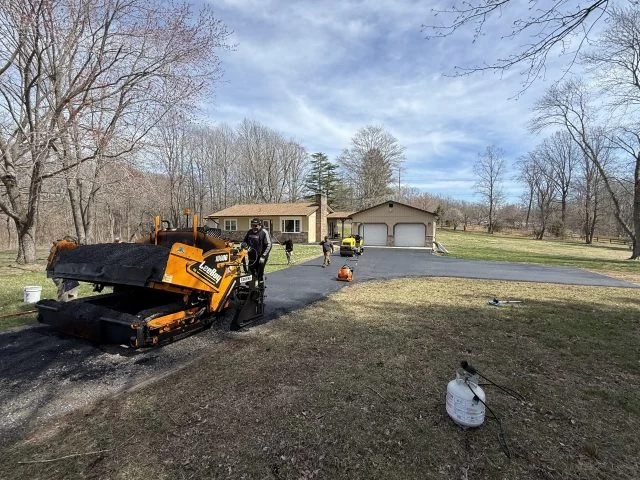
A few practical things come up every time. Who is authorized to hire, because a contractor needs one point of contact and a clear yes, not five owners with different opinions. Access for equipment, because a lane too narrow or too soft for a loaded truck changes the approach. A turnaround, since trucks and pavers need somewhere to get around. Utilities and where they run. And scope discipline, because on a long lane it is very easy for the price to grow past what the group agreed to. I would rather walk a lane with all the owners present once than relay the same conversation five times.
Repair the whole thing or fix the bad sections
On a long private road, doing everything at once is often not the best use of the money. A lane usually fails in specific places for specific reasons: a low spot holding water, a section where the base was always thin, a stretch under heavy tree cover where roots are lifting it, the entrance where it meets the county road and takes the most turning traffic. Fixing those sections and correcting the drainage that caused them can get a group a good road for a fraction of a full rebuild. A staged plan over two or three years is also easier to get neighbors to agree to than one large number.
Before you split a bill
Get the scope in writing and make sure every owner has the same document. Confirm the contractor is MHIC licensed, which Maryland requires for home improvement work, and insured, and get proof rather than a verbal yes. Agree who holds the contract and who pays the contractor, because a contractor should not be chasing six checks. Put the cost split in writing even if everybody is friendly right now, since people sell houses and the next owner did not shake anybody's hand. And write down what happens next time, because a road that needed work now will need work again, and the agreement you make today is worth more than the paving.
Keep reading
Frequently Asked Questions
Generally the property owners who use it, with the specific obligation coming from the recorded easement or right of way, a recorded road maintenance agreement, or homeowners association covenants. Maryland does not provide a default rule that automatically splits costs evenly when the documents are silent. Start by reading your deed and the recorded easement.
Generally no. Counties do not maintain, repair, or plow private roads. For a road to enter the county system it must be built to the county's standard and formally accepted, which usually involves requirements for width, base, surface, drainage, and often right of way dedication. Ask your county public works department for their standard and process.
This is common on older lanes. Neighbors commonly agree informally and split by household, split by intensity of use, form an association and put it in writing, or one owner funds the work alone. Because there is no automatic statutory split, getting a written agreement in place before work begins is the practical way to avoid disputes.
It is strongly advisable. Put the scope, the total, and each owner's share in writing, have every owner hold the same document, decide who holds the contract and pays the contractor, and record what happens for future maintenance. Properties change hands, and a handshake does not transfer to the next owner.
Yes, and on long lanes it is often the better use of money. Private roads typically fail in specific places, such as low spots holding water, stretches with a thin base, areas where tree roots are lifting the surface, and the entrance where turning traffic is heaviest. Repairing those areas and correcting drainage can be staged over several years.