
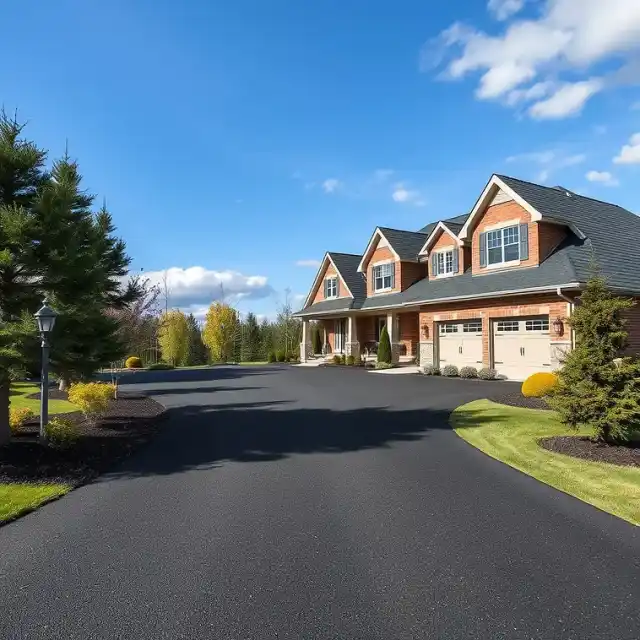
Asphalt Driveway Paving in Southern Maryland
Hot-mix asphalt driveways built on a base that holds.
Free Estimate: (410) 212-8084A driveway is the first thing you see when you pull in and the last thing most people think about until it starts falling apart. South State Paving builds asphalt driveways for homeowners from Annapolis down through Calvert County and across to Waldorf, and we build them one way: from the ground up.
Here is our opinion, and we will defend it on any job site. The asphalt you see is the least important part of the driveway. What matters is what is under it. On the western shore of the Chesapeake the ground is a mix of sand, silt, and clay, and close to the water the water table sits high. Sandy ground drains but shifts. Clay holds water, swells, and goes soft in a wet spring. Lay a thin mat of asphalt over either one without a real stone base and it will crack, rut, and sink within a few winters.
So we dig out what does not belong, bring in crushed stone, grade it so water runs off and away from your garage and foundation, and compact it until it is tight. Then we pave with hot-mix asphalt at a thickness that fits how the driveway gets used, and roll it while it is hot. George Cooper says it plainly: the preparation is key, and so is the thickness of the material.
Whether you need a worn-out driveway torn out and replaced, a brand new driveway on a new build, or a gravel lane converted to asphalt, the process starts the same way. We come out, walk it with you, explain every step, and give you a free written estimate. An owner is on site when the work gets done.
What goes into a driveway that lasts
Four layers, and each one does a job. Skip one and the rest pay for it.
The native soil under everything. We remove topsoil, roots, and soft spots, then shape and compact what is left. In clay or wet ground this step decides the whole project.
Compacted aggregate that spreads vehicle weight and lets water drain instead of sitting under the asphalt. Depth depends on the soil and on what will be driving on it.
Plant-mixed asphalt delivered hot, placed with a paver for even thickness, and compacted with a roller before it cools. Thickness is matched to use: a family sedan and a loaded work truck are different jobs.
Clean tie-ins at the road, garage, and walkways, with edges backed up so they do not crumble when a tire rolls off the side.
Paving on the Chesapeake's western shore
Southern Maryland sits on the coastal plain. There is very little rock here. The ground is layered sand, silt, and clay, and it changes from one street to the next. A lot in Deale or Shady Side a few feet above the Bay behaves nothing like a farm lane in Lothian or a hillside lot in Huntingtown.
Near the water the challenge is a high water table and poor drainage. Water that cannot get out from under a driveway freezes in January, expands, and lifts the asphalt. Inland the challenge is clay that pumps under load when it is wet. Both problems are solved the same way: get the grade right, get the water moving, and build enough stone base to bridge the soft ground.
Maryland winters are not brutal, but they are busy. Temperatures cross the freezing mark over and over, and every one of those cycles works on any crack that lets water in. A tight, well-compacted surface with good drainage shrugs that off for decades.
Replace, resurface, or patch?
We will tell you which one your driveway needs, including when the cheaper option is the right call.
Taking care of a new driveway
New asphalt needs time to cure. After that, the two things that protect it are keeping water out and keeping the surface sealed against sun and oil.
- Keep vehicles off for the first two to three days, longer in summer heat
- Avoid sharp wheel turns while stopped for the first month
- Fill cracks as they appear, before winter, so water cannot get under the mat
- Sealcoat once the asphalt has cured, then on a regular cycle after that
- Keep edges supported with soil or stone so they do not break off
- Do not let downspouts dump water along the driveway edge
Why homeowners hire South State Paving
South State is family owned and operated. George Cooper is a fourth-generation paver, and an owner is on site while your job is being built. The person who quoted it is the person answering for it.
Asphalt fails from the bottom up. We spend the time on excavation, stone base, grading, and compaction, and we put down the material thickness the job actually calls for. That is where a driveway's life is decided.
Before we start, we walk the property with you and explain what we found, what we are going to do, and why. No mystery line items. No surprises on paving day.
MHIC #05-169105. Licensed and insured in Maryland. Based in Deale, working Anne Arundel, Calvert, Prince George's, and the northern end of Charles and St. Mary's counties.
Call (410) 212-8084 any time, day or night. Estimates are free and written.
Driveway Paving step-by-step
Same process on every job, with an owner on site and every step explained first.
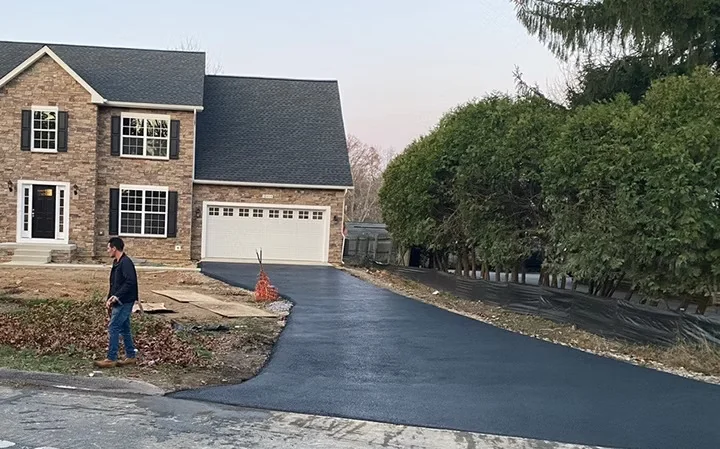
We walk the property with you, measure, and talk drainage. Free written estimate, every step explained.
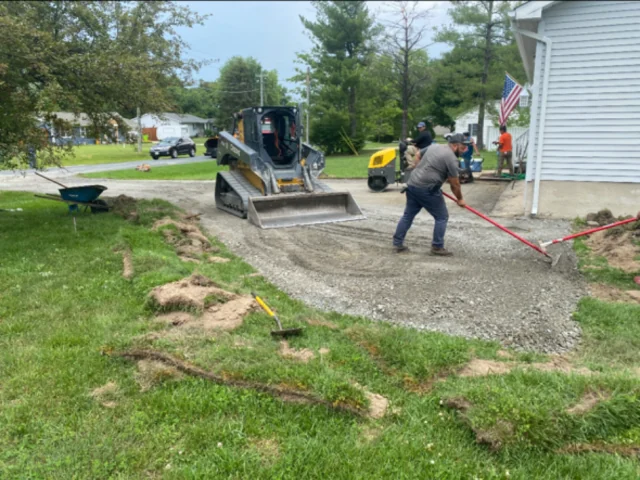
Old surface comes out. We look at the base, show you what we found, and rebuild it where it needs it.
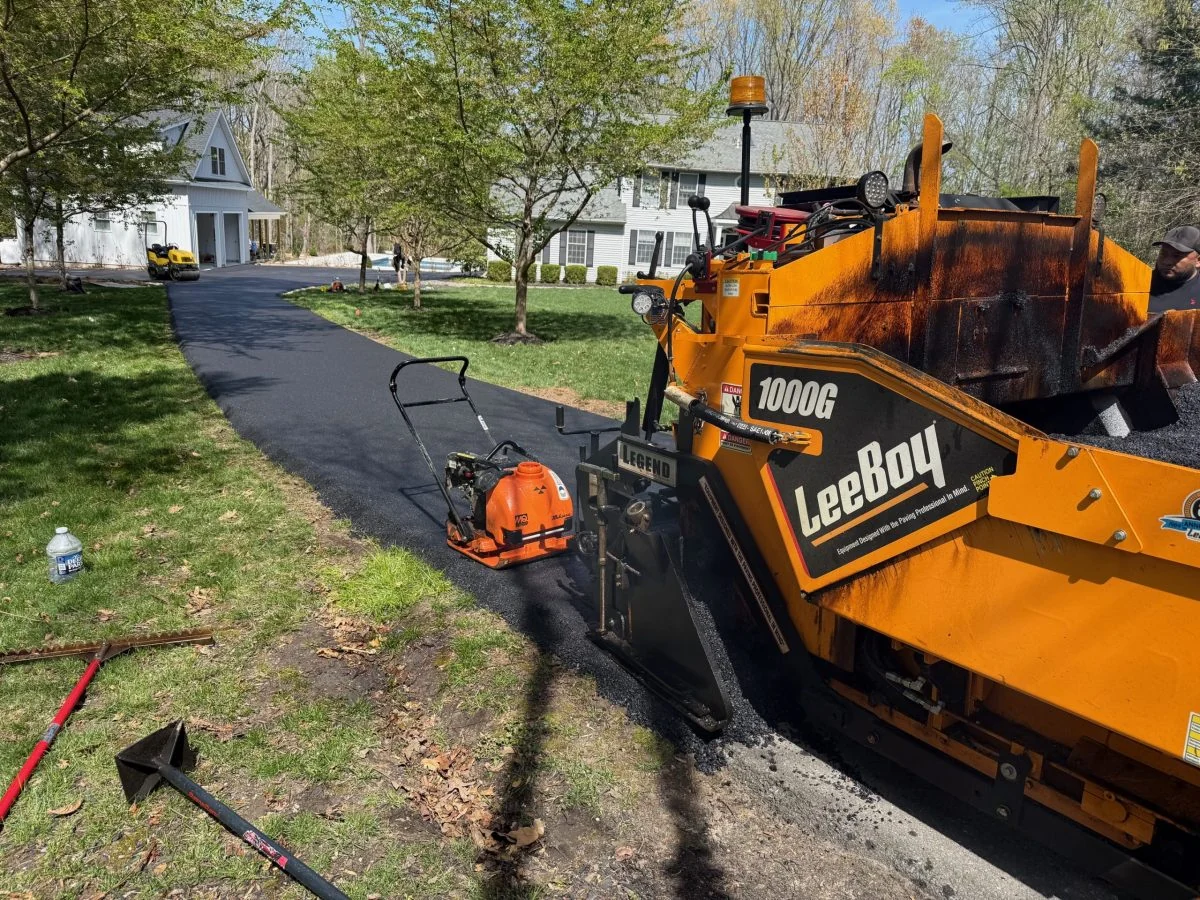
Hot-mix asphalt placed by machine at the thickness the job calls for.
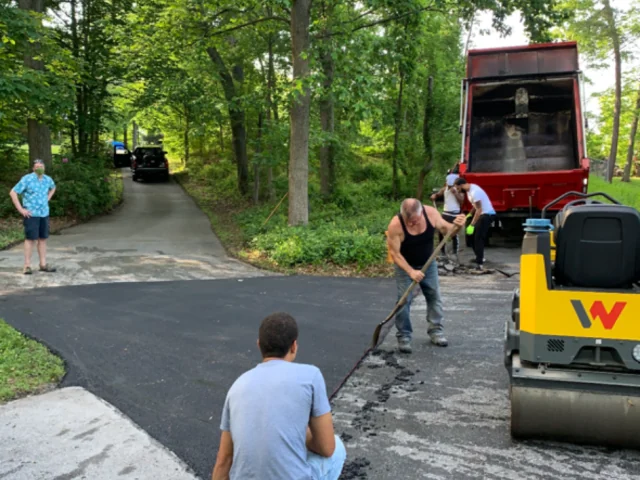
Rolled tight while it is hot. Walk on it the same day, drive on it in two to three days.
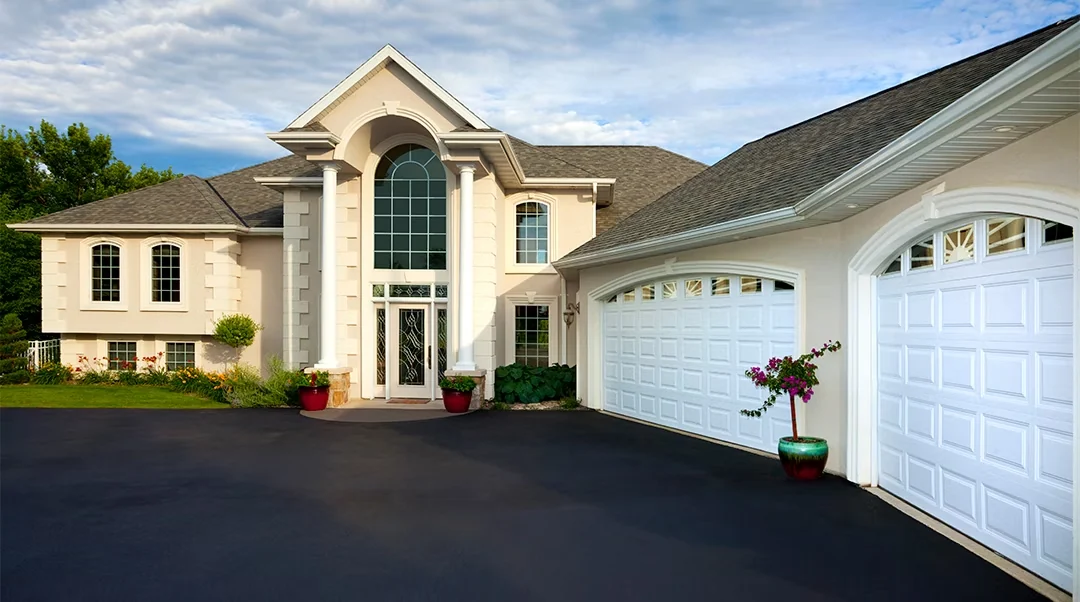
“This is a first class group! We had damage on our driveway.”
Driveway Paving Projects
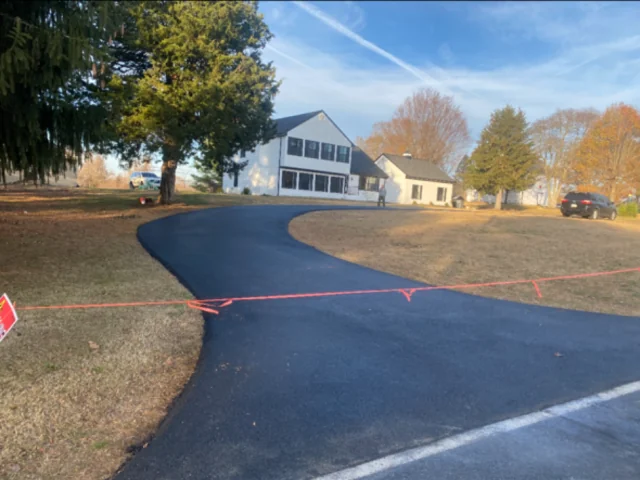
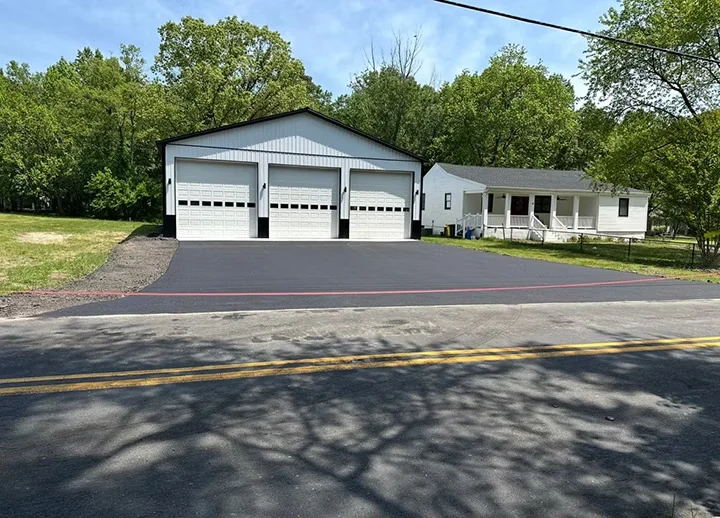
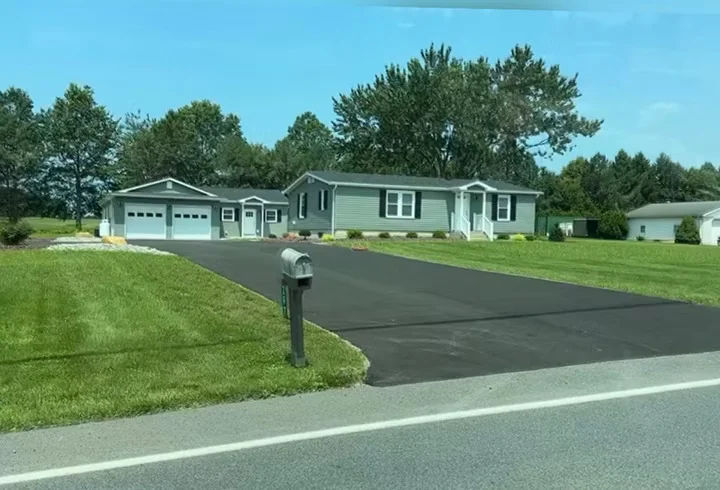
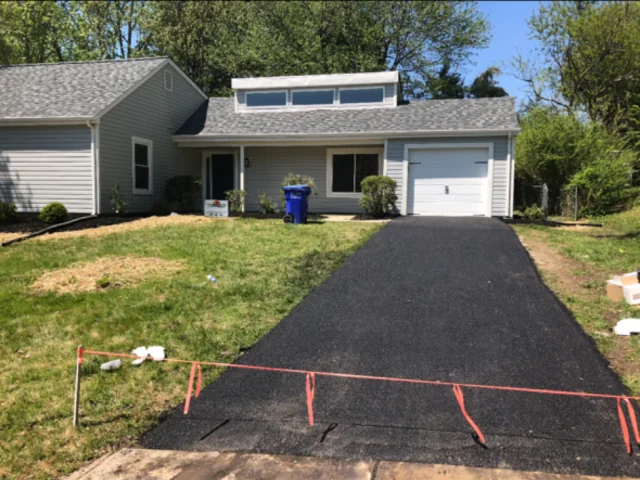
Driveway Paving in your town
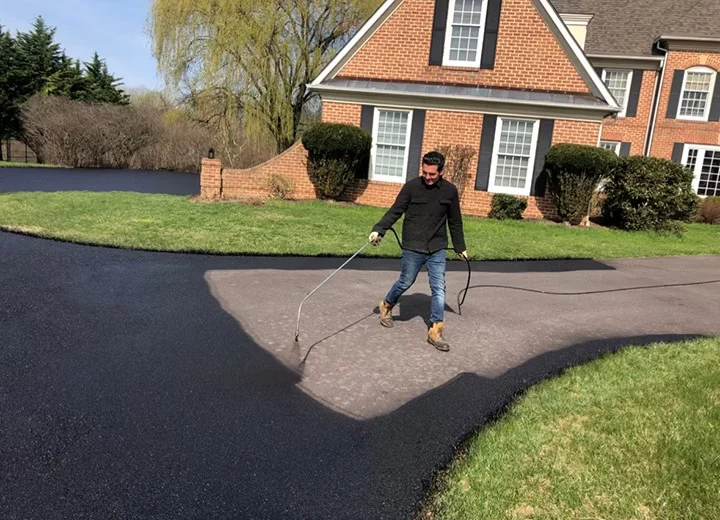
Driveway Paving FAQs
How much does a new asphalt driveway cost?
It depends on square footage, the condition of the base underneath, how much drainage or grading the lot needs, material thickness, and how easily equipment can get in. We do not quote off a phone call or a satellite photo. We walk the property, measure it, and hand you a free written estimate that spells out exactly what is included.
How long does a driveway paving job take?
Most residential driveways take one to two days on site. Tear-out and base work usually happen first, paving and rolling after. Long lanes, heavy base repair, or drainage work can add time, and we tell you that up front in the estimate.
How soon can I drive on new asphalt?
You can usually walk on it the same day. Keep vehicles off for two to three days, and longer in hot summer weather when fresh asphalt stays soft. For the first few weeks avoid turning your wheels while parked and keep trailer jacks and kickstands off the surface.
Do you pave driveways near me?
If you are in Anne Arundel County, Calvert County, southern Prince George's County, or the Waldorf and Charlotte Hall end of Charles and St. Mary's counties, yes. We are based in Deale and schedule estimates by area, so call (410) 212-8084 and we will tell you when we are next out your way.
Can you pave in the winter?
We pave through the colder months whenever ground and air temperatures allow the asphalt to be placed and compacted correctly. If the weather will not let us do it right, we schedule you for the first good window instead of forcing it.